
Health
Authorised Medical Attendant: What It Means and Why It Matters


If you work for the government or you are a pensioner, you may have heard the term “Authorised Medical Attendant.” It sounds official, and it is. But what does it really mean? And why should you care about it?
In simple words, an Authorised Medical Attendant, often called an AMA, is a doctor who has official approval to treat government employees, pensioners, and their families. This doctor is not just any doctor. They are chosen and approved by the government or an organization to give medical care under certain rules. These rules help control costs and make sure employees get proper treatment.
In this article, we will explain everything about an Authorised Medical Attendant in easy words. We will talk about who they are, what they do, who can use their services, and why this system matters. By the end, you will understand this topic clearly, even if you have never heard of it before.
What Is an Authorised Medical Attendant?
An Authorised Medical Attendant is a doctor who is officially approved to provide medical treatment under certain medical attendance rules. These rules are not random. They are commonly used in government departments, universities, and public organizations to provide healthcare services to employees and their families.
Think of an AMA as a trusted doctor picked by your employer. This doctor is on an approved list. When you or your family need medical help, you are expected to visit this doctor first, except in emergencies.
An Authorised Medical Attendant can be a Medical Officer employed by the Central Government, or a private medical practitioner who has been appointed or nominated by a Ministry or Department to provide medical care to its employees. This means an AMA does not have to work in a government hospital. Sometimes, a private doctor can also become an AMA if they meet the right conditions and get approved.
Why Does This System Exist?
The main goal of the AMA system is simple: to help employees get proper medical care without financial stress. The purpose of appointing an authorised medical attendant is to make sure that employees receive proper medical care from approved doctors. It also helps organizations manage medical expenses, hospital treatment, and reimbursement claims in an organized way.
Without this system, it would be hard for government departments to check if medical bills are real and correct. The AMA acts like a gatekeeper. They check your health problem, give the right treatment, and then confirm your medical bills so you can get your money back from your employer.
Who Can Use an Authorised Medical Attendant?
Not everyone can use the services of an AMA. This system is mainly made for people connected to government jobs. Eligibility for Authorised Medical Attendant services is generally limited to government employees, pensioners, and their dependents who are covered under the Central or State Government Health Schemes.
Here is a simple breakdown of who is usually eligible:
- Central Government Employees: All permanent and temporary employees who live in areas covered by the health scheme can use this service.
- Pensioners: People who have retired from government jobs but still receive medical benefits under the scheme.
- Dependents: Family members such as spouses, children, and dependent parents who meet the required conditions.
- State Government Employees: Employees who work for state governments where similar AMA systems are set up under state health rules.
In most cases, the AMA is assigned to you based on where you live or where you work. But in some cases, you may be allowed to pick your own AMA from a list of approved doctors.
What Does an Authorised Medical Attendant Do?
An AMA does more than just check your health and write a prescription. Their job covers many parts of the medical process. Here are the main duties:
1. Examining patients and giving treatment The doctor examines patients, prescribes medicines, and recommends hospital treatment when needed. This is the most basic part of their job, just like any regular doctor visit.
2. Verifying medical expenses This is one of the most important jobs of an AMA. The AMA verifies medical expenses so that the organization can process reimbursement claims properly. Without this check, the government cannot confirm if your medical bill is genuine.
3. Certifying medical documents The AMA certifies the medical documents and expenses that the employee has spent money on. After this, the employee submits these certified papers to their department to get their money back.
4. Giving preventive health advice Many AMAs also guide patients about staying healthy. This includes advice on managing long-term health issues and preventing illness before it starts.
5. Handling emergencies Even though employees are usually asked to see their AMA first, this rule changes during emergencies. Patients can get treatment at any nearby hospital when the situation is urgent, and the AMA process for reimbursement is adjusted later.
How Does the Reimbursement Process Work?
Understanding how money reimbursement works is one of the most useful parts of knowing about the AMA system. Here is a simple step-by-step process:
Step 1: Visit your AMA When you feel sick, you should first go to your assigned Authorised Medical Attendant, unless it is an emergency.
Step 2: Get treatment and documents The AMA examines you, gives treatment, and provides documents like prescriptions and medical certificates.
Step 3: Certification The AMA certifies the medical documents and expenses you have paid for during treatment.
Step 4: Submit your claim You then submit these certified documents to your department so they can process your reimbursement claim.
Step 5: Get reimbursed Once your department checks and approves the claim, you get your money back based on the approved rates.
Following this process the right way helps make sure your medical claim gets processed smoothly and does not get rejected.
Who Can Become an Authorised Medical Attendant?
Not every doctor can be an AMA. There are clear standards a doctor must meet before they get approval. Doctors usually need a medical qualification such as MBBS or an equal degree, along with proper registration under the relevant medical council.
Besides the basic qualification, other factors also matter:
- Experience: Many panels expect doctors to have a minimum number of years working in medical practice.
- Empanelment process: Doctors need to apply through government notices or welfare committees to join the approved list.
- Location and specialty: Approval can also depend on where the doctor practices and what medical field they specialize in.
This careful process makes sure that only trained and trustworthy doctors get the role of an AMA.
Rules That Govern the AMA System
The AMA system does not work randomly. It follows official rules set by the government. These rules are outlined in the Central Services Medical Attendance Rules of 1944, along with later changes made to them. These rules explain the scope of medical services, how much money can be reimbursed, and what duties both the employee and the AMA must follow.
Some key points from these rules include:
- Employees are expected to get treatment from their designated AMA, except during emergencies.
- Reimbursement is only given for treatments and medicines that the AMA has prescribed.
- The AMA must keep proper records and follow ethical medical practices at all times.
- Any wrong certification or misuse of the system by the AMA can lead to serious consequences.
These rules protect both the employee and the government. They make sure medical benefits are used fairly and correctly.
Challenges Faced by the AMA System
Like any system, the AMA process is not perfect. There are a few common problems people face:
Limited availability of AMAs in rural or remote areas can make it hard for employees living there to get proper healthcare access. If someone lives far from a city, finding an approved doctor nearby can be difficult.
Delays in processing reimbursement and a lack of awareness about the correct procedures also create trouble for many beneficiaries. Some employees do not fully understand the steps needed to claim their money, which causes confusion and wasted time.
The extra work of keeping records and checking claims can also slow down the whole system. To fix these issues, many departments are now moving toward digital solutions. Digitalization of medical records and online claim submission systems are being introduced in many departments to make the process faster and more transparent.
Why the AMA System Still Matters Today
Even with its challenges, the Authorised Medical Attendant system remains an important part of government healthcare benefits. It gives employees and pensioners access to trusted doctors, keeps medical costs under control, and creates a clear path for reimbursement.
For families of government workers, knowing about this system can save time and stress. When you understand who your AMA is and how the claim process works, you can get medical help faster and avoid problems with your reimbursement.
Final Thoughts
The term Authorised Medical Attendant may sound complex at first, but the idea behind it is simple. It is about connecting government employees and their families with approved doctors who can give proper care and support honest medical claims. This system has been part of government healthcare for many years, and it continues to serve millions of employees and pensioners.
If you are a government employee or a pensioner, it is worth checking with your department to find out who your assigned AMA is. This small step can make your future medical visits and claims much easier to handle.
Frequently Asked Questions
Who can consult an Authorised Medical Attendant?
Central and state government employees, along with their eligible family members such as spouse, children, and dependent parents, can use the services of an AMA under the applicable rules.
Can I get my treatment reimbursed if I visit any doctor?
No, reimbursement usually needs a consultation with or a recommendation from an approved AMA, except in real emergencies.
How can I find an Authorised Medical Attendant near me?
You can check your department’s website, health scheme lists, or local government health notices to find the doctors who are approved in your area.
Can a private doctor become an Authorised Medical Attendant?
Yes, private doctors can join the approved panel after they meet the eligibility rules and receive government approval.
For More Tech Information : The Pure Tech
A smile is often the first thing people notice about us. It can open doors, build trust, and make us feel good about ourselves. But not everyone feels confident about their smile. This is where the idea of Brasssmile comes in. Brasssmile is not a medical treatment or a specific product. It is a simple concept that focuses on daily habits, oral care, and confidence. In this article, we will look at what Brasssmile means, why it matters, and how you can use its ideas to improve your own smile.
What Is Brasssmile?
Brasssmile is a term used to describe a modern approach to smile care. It is not a complex dental procedure or a fancy treatment. Instead, it is a way of thinking about your smile as part of your daily life and personal confidence.
The idea behind Brasssmile is simple: small daily actions can lead to a healthier and brighter smile over time. This includes things like brushing your teeth properly, avoiding foods that stain or damage teeth, and taking care of your gums. It also includes the mental side of things, such as feeling good about how you look when you smile.
Many people think a great smile only comes from expensive dental work. But Brasssmile shows that good habits, done every day, can make a real difference. It connects two important ideas: oral health and self-confidence. These two things work together. When your teeth and gums are healthy, you feel more comfortable smiling. And when you smile more, you often feel happier and more confident in social situations.
Why Brasssmile Is Becoming Popular
There are a few reasons why people are talking about Brasssmile more often these days.
First, more people care about how they look on camera. With social media, video calls, and photos being part of daily life, people notice their smile more than before. A clean and bright smile can make a photo or video look better.
Second, people are becoming more aware of the link between oral health and general health. Studies have shown that poor oral hygiene can lead to other health problems, such as gum disease and even heart issues. Because of this, more people want simple ways to protect their teeth and gums.
Third, not everyone wants or can afford expensive cosmetic dental treatments. Brasssmile offers a natural and low-cost path. It focuses on habits anyone can build, no matter their budget.
Finally, confidence matters more than ever in both personal and work life. A smile is often part of a first impression, whether in a job interview, a date, or a simple conversation with a stranger. Brasssmile fits into this bigger picture of self-improvement and personal care.
The Core Habits Behind Brasssmile
Brasssmile is built around a few simple daily habits. None of these are complicated, but doing them consistently is what makes the difference.
1. Brushing the Right Way
Brushing your teeth sounds basic, but many people do not do it correctly. Dental experts generally recommend brushing at least twice a day for about two minutes each time. Use a fluoride toothpaste and a soft-bristled brush. Brush gently in small circles instead of hard back-and-forth movements, which can wear down enamel and hurt your gums.
2. Flossing Daily
Brushing alone cannot reach the small spaces between your teeth. Flossing removes food particles and plaque that build up in these areas. Skipping this step often leads to cavities and gum problems, even if you brush well.
3. Watching What You Eat and Drink
Certain foods and drinks can stain your teeth or wear down enamel over time. Coffee, tea, red wine, and sugary drinks are common causes of stains. Sugary snacks also feed the bacteria that cause cavities. Eating more fruits, vegetables, and foods rich in calcium can help keep your teeth strong. Drinking plenty of water also helps wash away food particles and bacteria during the day.
4. Avoiding Harmful Habits
Habits like smoking or biting on hard objects (such as pens or ice) can damage teeth and cause staining. Cutting down or avoiding these habits protects both the look and the health of your smile.
5. Visiting the Dentist Regularly
Even with good daily habits, regular dental checkups are important. A dentist can spot small problems before they become serious. Most dentists recommend a checkup and cleaning every six months, though this can vary depending on your personal needs.
6. Building Confidence Alongside Care
Brasssmile is not only about the physical side of a smile. It also includes the mental part. Feeling comfortable and relaxed when you smile is just as important as having clean teeth. Simple things like practicing smiling in the mirror, standing with good posture, and reminding yourself of your positive traits can help build this confidence over time.
Natural Ways to Support Your Smile
While professional treatments like whitening or braces can help in some cases, Brasssmile focuses mostly on natural, everyday methods. Here are a few extra tips that fit well within this idea:
- Rinse after eating or drinking staining foods. A quick rinse with water after coffee or tea can reduce staining over time.
- Use a straw for dark drinks. This can lower the contact between the drink and your front teeth.
- Try oil pulling or baking soda occasionally. Some people use natural methods like these to support oral cleanliness, though they should not replace brushing and flossing.
- Chew sugar-free gum. This can help increase saliva, which naturally cleans the mouth and protects against cavities.
- Get enough sleep and manage stress. Believe it or not, stress can affect oral health too, sometimes leading to teeth grinding or gum problems.
None of these tips require a big investment. They are small changes that, done regularly, support the main goal of Brasssmile: a smile that is both healthy and something you feel proud of.
Is Brasssmile a Replacement for Dental Treatment?
It is important to understand that Brasssmile is not meant to replace professional dental care. If you have serious dental problems, such as tooth decay, gum disease, or misaligned teeth, you should see a dentist or dental specialist. Brasssmile works best as a daily support system alongside professional care, not instead of it.
Think of Brasssmile as the foundation. Good daily habits keep your mouth healthier between dental visits and can even reduce the number of problems your dentist finds. But for bigger issues, professional advice and treatment are still necessary.
How to Start Building Your Own Brasssmile Routine
If you want to apply the Brasssmile idea to your own life, you do not need to change everything at once. Start small. Here is a simple way to begin:
- Set a reminder to brush twice a day for a full two minutes.
- Add flossing to your nightly routine.
- Swap one sugary drink a day for water.
- Book a dental checkup if it has been more than six months since your last one.
- Take a moment each day to notice something you like about your smile.
Small, steady steps like these build habits that last. Over weeks and months, you may notice your teeth look brighter, your gums feel healthier, and you feel more comfortable smiling in photos or conversations.
Final Thoughts
Brasssmile is a simple but meaningful idea. It reminds us that a great smile does not always need expensive treatments or complicated routines. Instead, it grows from small, consistent habits: brushing well, flossing daily, eating smart, avoiding harmful habits, and visiting the dentist regularly. Just as important, it includes taking care of your confidence, since a smile is not only about how your teeth look but also about how you feel when you share it with others.
By following these simple steps, anyone can work toward a smile that feels healthier, brighter, and more confident, one day at a time.
Frequently Asked Questions
Is Brasssmile a specific dental treatment or product?
No. Brasssmile is not a specific treatment or product. It is a general idea about improving your smile through daily habits, natural care, and building confidence, rather than one single method or procedure.
Can Brasssmile habits really whiten my teeth?
Natural habits like avoiding staining foods, rinsing after drinks, and brushing properly can help prevent new stains and keep your smile looking cleaner. However, for noticeable whitening, most dentists recommend professional treatments, since natural habits mainly support and maintain your smile rather than dramatically change its color.
How often should I brush and floss for a healthier smile?
Most dental professionals recommend brushing twice a day for about two minutes each time, using fluoride toothpaste. Flossing once a day, usually at night, helps remove food and plaque from between your teeth that a toothbrush cannot reach.
Does diet really affect the health of my smile?
Yes. Foods high in sugar can feed bacteria that cause cavities, while drinks like coffee, tea, and red wine can stain your teeth over time. On the other hand, foods rich in calcium, vitamins, and fiber support stronger teeth and healthier gums, so a balanced diet plays a real role in your smile’s health.
For More Tech Information : The Pure Tech
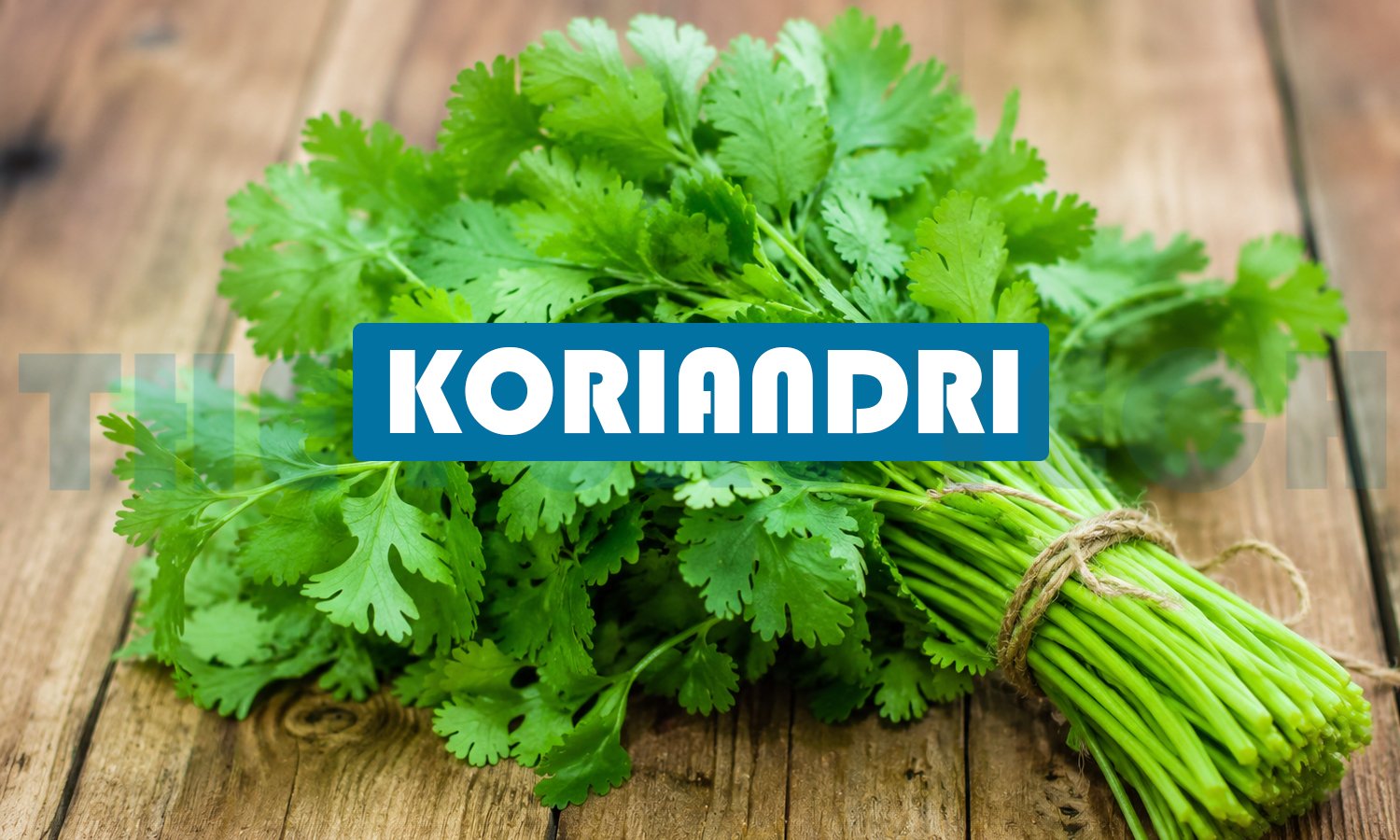
Have you ever seen the word “koriandri” and wondered what it means? You are not alone. Many people search for this word online, but it is simply another name for a very common kitchen herb: coriander. You may also know it as cilantro. This small green plant is used in kitchens all over the world, from India to Mexico. It adds a fresh taste to food and also comes with some nice health perks.
What Is Koriandri?
Koriandri is the common name for the plant Coriandrum sativum. This plant belongs to the Apiaceae family, which also includes carrots, celery, and parsley. It is a small annual herb, which means it grows, flowers, and dies within one year.
The plant has two main parts that people use in cooking:
- The leaves, which are called cilantro in the United States and coriander leaves in most other parts of the world.
- The seeds, which are called coriander seeds everywhere.
The leaves have a bright, citrusy, and fresh taste. Some people also say they taste a little like soap. This is not strange. Studies show that a certain gene in our DNA changes how we taste this herb, so it depends on your genes whether you enjoy it or not. The seeds, on the other hand, have a warm and slightly sweet flavor, closer to a mix of lemon and pepper. People often use whole or ground seeds in spice mixes.
Koriandri usually grows between one and three feet tall. It has thin, feathery leaves and small white or light pink flowers that grow in clusters shaped like tiny umbrellas. After the flowers fade, the plant forms small round seeds, which are then dried and used in the kitchen.
Where Does Koriandri Come From?
Koriandri has a long history. It comes from the Mediterranean region and parts of the Middle East, and people have used it for more than 8,000 years. Archaeologists even found coriander seeds in ancient Egyptian tombs, including the tomb of Tutankhamun. This shows that ancient people valued the plant highly, not just as food but maybe also for rituals.
The Romans used koriandri to keep meat fresh and to flavor bread. As their empire grew, they carried the herb with them across Europe. Over time, it also traveled along old trade routes to India, China, and eventually to the Americas. Today, koriandri grows in gardens and farms almost everywhere in the world, and each region has its own way of using it in food.
Interestingly, the plant has many local names too. In Sanskrit, it is called dhania. In Spanish-speaking countries, the leaves are called cilantro. In China, some people call it Chinese parsley. No matter the name, it is always the same plant.
How to Grow Koriandri at Home
One of the best things about koriandri is that it is easy to grow, even if you are new to gardening. Here is what the plant needs:
Sunlight: Koriandri likes at least four to five hours of sunlight each day. A sunny windowsill or a bright spot in the garden works well.
Soil: The plant grows best in soil that drains well and has plenty of organic matter. If the soil holds too much water, the roots can rot, so avoid overwatering.
Temperature: This herb prefers cooler weather, somewhere between 50°F and 85°F (about 10°C to 29°C). In very hot weather, the plant tends to “bolt,” which means it grows flowers and seeds too fast, and the leaves lose some of their flavor.
Watering: Keep the soil a little moist, but never soggy. Check the top inch of the soil, and water only when it starts to feel dry.
Containers: If you do not have garden space, you can grow koriandri in a pot. Just make sure the pot has good drainage holes and use a light, well-draining potting mix.
Because it grows quickly, you can often harvest the leaves within three to four weeks after planting the seeds. If you want the seeds instead, you will need to wait until the plant flowers and the seed heads turn brown and dry.
A simple tip: plant new seeds every few weeks. This way, you will always have fresh koriandri leaves ready to pick, instead of waiting for one big harvest.
Health Benefits of Koriandri
Koriandri is not just tasty. Several scientific studies have looked at its possible health benefits. Here are some of the main ones:
It may help control blood sugar. Some studies on animals found that coriander seed extract lowered blood sugar levels. Because of this, people who already take medicine for diabetes or low blood sugar should be careful and talk to a doctor before using large amounts of coriander as a supplement.
It is rich in antioxidants. Antioxidants help protect the cells in our body from damage. Coriander leaves and seeds both contain compounds that act as antioxidants, which may support overall health.
It may support heart health. Some research suggests coriander could help lower blood pressure and support healthy cholesterol levels, though more studies in humans are still needed to confirm this fully.
It may help with digestion. For a very long time, people have used koriandri in traditional medicine to calm the stomach and reduce issues like gas and bloating.
It contains helpful vitamins. Fresh coriander leaves offer vitamin A, vitamin C, and vitamin K. These vitamins support your immune system, skin, and bone health.
It is worth remembering that most of these studies come from early research or from tests on animals, not large human trials. So while the results look promising, koriandri should be seen as part of a healthy diet, not as a replacement for medicine.
How to Use Koriandri in Cooking
Koriandri is one of the most flexible herbs in the kitchen. Here are some simple ways people use it:
- Fresh leaves are often sprinkled on top of tacos, curries, soups, and salads for a burst of flavor.
- In Mexican cooking, it is a key part of salsa and guacamole.
- In Indian and Middle Eastern dishes, both the leaves and ground seeds are common in curries and spice blends.
- Whole or ground seeds are used in pickling, baking bread, and making sausages.
- Some people brew coriander seeds into a warm tea, which is often used to help with digestion.
Because the leaves lose their flavor quickly once cooked at high heat, most cooks add them at the very end of cooking or use them as a fresh garnish.
A Few Things to Keep in Mind
While koriandri is safe for most people to eat, there are a few small points to remember:
- Some people have a genetic trait that makes coriander leaves taste like soap to them. This is normal and not harmful, just a difference in taste perception.
- People with allergies to other plants in the same family, like celery or carrots, should be cautious, as cross-reactions are possible.
- If you take medicine for blood sugar or blood pressure, talk with your doctor before eating large amounts of coriander seed extract or supplements, since it may add to the effect of your medicine.
Final Thoughts
Koriandri, better known as coriander or cilantro, is much more than just a name you might come across online. It is a herb with a long history, an easy growing process, and a wide range of uses in kitchens around the world. Whether you enjoy the fresh citrusy leaves or the warm, earthy seeds, this plant brings both flavor and possible health benefits to your table. If you have a sunny spot at home, it might be worth trying to grow your own koriandri and see how it can brighten up your meals.
Frequently Asked Questions
Is koriandri the same as cilantro?
Yes. Koriandri is another name for the plant Coriandrum sativum. In the United States, the fresh leaves of this plant are called cilantro, while in most other countries, people simply call the leaves coriander.
Why does koriandri taste like soap to some people?
This happens because of a gene that affects how our taste buds react to certain natural compounds in the plant. It is a common and harmless difference, not a sign that something is wrong with the herb.
How long does koriandri take to grow?
The leaves are often ready to pick within three to four weeks after planting the seeds. If you want to harvest the seeds instead, you will need to wait until the plant flowers and the seed heads dry out, which usually takes a couple of months.
Can I grow koriandri indoors?
Yes, you can grow it indoors in a pot as long as it gets enough sunlight, ideally four to five hours a day, and the soil drains well. A bright windowsill is often a good spot for it.
For More Tech Information : The Pure Tech

What Does Jememôtre Mean? A Simple Guide to This New Word

Revolvertech Gaming: Your Simple Guide to Game Reviews, Tips, and News

NYT Connections Hint Today: Easy Clues from Mashable to Help You Win
-

 Technology2 months ago
Droven.io Enterprise Tech Innovation: A Simple Guide to Business Growth with Modern Technology
-

 Food2 months ago
What Is Kouskousi? A Simple Guide to This Tasty Semolina Dish
-

 Tech Reviews2 months ago
Zingyzon.com Review: Is This Website Safe or a Scam?
-

 Tech2 months ago
What Is WiseStudySpot.com? A Simple Guide to This AI and SEO Blog
-

 Technology2 months ago
Droven.io New Gadgets 2025: Smart Devices That Make Life Easier
-

 Blog2 months ago
What Is Merfez? Simple Meaning and Uses Explained
-

 Blog2 months ago
What Is a Cadibara? The Fun Nickname for the World’s Biggest Rodent
-

 Tech2 months ago
What Is Konversky? A Simple Guide to This New AI Chat Tool