
Uncategorized
Gaming Updates TheHakeTech: A Simple Guide to New Changes in Games

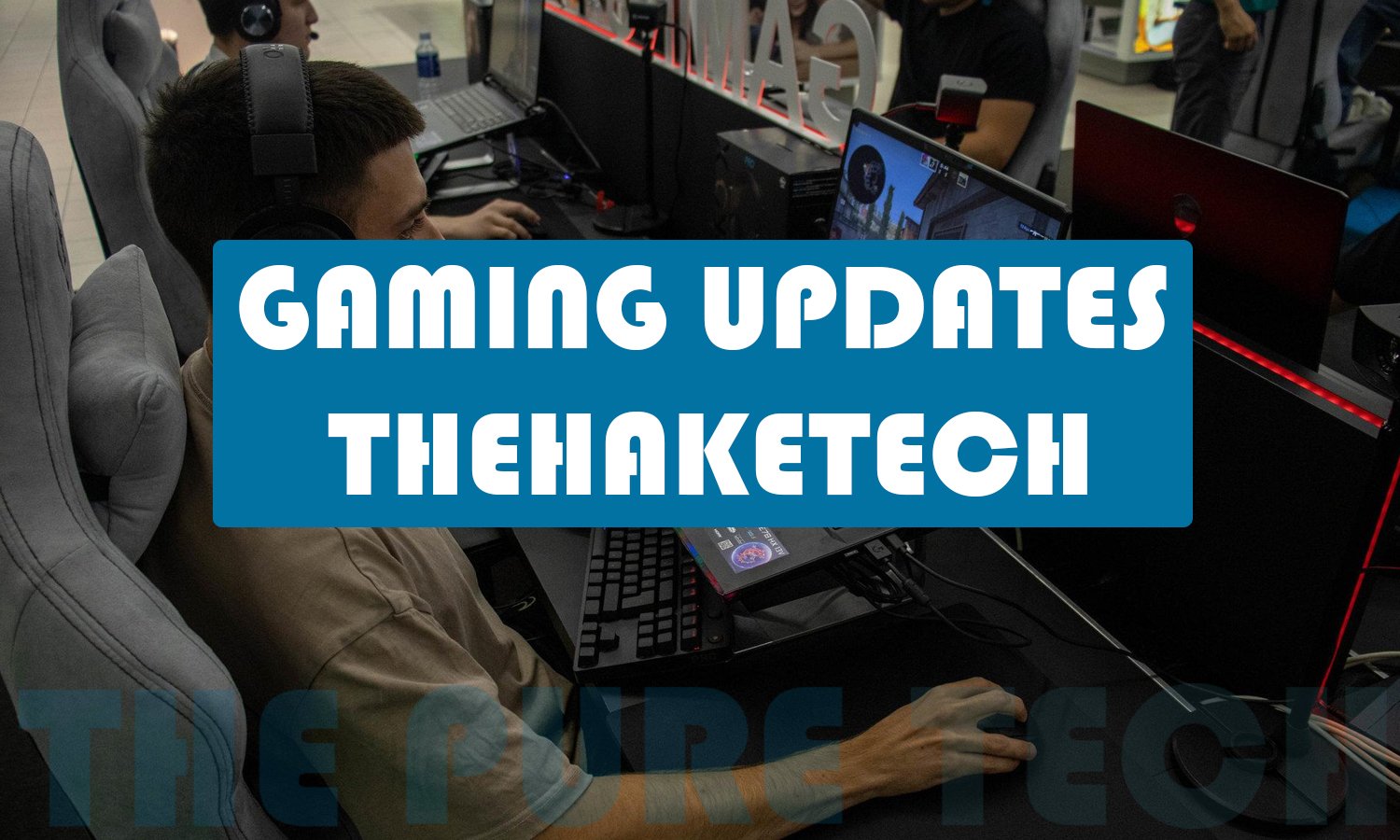
Video games are not the same product they used to be. In the past, a game was finished the day it came out. You bought it, you played it, and that was the end of the story. Today, things work in a different way. Games keep changing long after their release date. New patches, new features, and small fixes arrive again and again. This is what people mean when they talk about gaming updates thehaketech style: clear and simple explanations of what is new and why it matters.
This guide will walk you through what gaming updates really are, why developers release them, and how they affect the way you play. We will keep the language simple so that any reader, even someone new to gaming, can follow along.
What Are Gaming Updates?
A gaming update is any change that a developer adds to a game after it has already launched. These changes can be small or large. Some updates fix tiny bugs that most players never even notice. Other updates add whole new areas, characters, or game modes.
Think of a game like a house. When it is first built, it already works. People can live in it. But over time, the owners might fix a leaking pipe, repaint a wall, or even add a new room. Game updates work the same way. Developers keep improving the game long after it “opens its doors” to players.
Why Do Developers Release Updates So Often?
There are a few main reasons why studios keep sending out new updates.
First, no game is perfect on day one. Even with months of testing, small problems called bugs can slip through. A bug might cause a character to get stuck in a wall, or a sound effect might not play correctly. Updates fix these small issues so the game runs smoothly.
Second, games need to stay balanced. In multiplayer games, if one character or weapon is too strong, everyone will use it, and the game stops feeling fair. Developers study how players use each tool in the game. Then they release balance updates that make weak options stronger and strong options fairer. This keeps the competition healthy for everyone.
Third, technology keeps changing. New phones, computers, and consoles come out every year. A game that worked well two years ago might need adjustments to run properly on newer hardware. Updates help games take advantage of better graphics cards, faster processors, and improved screens.
Fourth, player feedback matters. Studios read comments, watch community discussions, and check reviews. If many players ask for a certain feature or complain about a certain problem, developers often listen. This is one reason why some games look very different a year after launch compared to their first version.
The Main Types of Gaming Updates
Not all updates are the same. Here are the most common types you will come across.
1. Bug Fix Patches
These are the smallest and most frequent updates. They quietly fix problems in the background. You might not even notice them, but they make your gaming experience more stable.
2. Balance Changes
These updates adjust how strong or weak certain characters, weapons, or strategies are. If you play competitive games like shooters or fighting games, you have probably felt the effect of a balance patch. A character you loved to play might suddenly feel weaker, or a weapon you never used might become your new favorite.
3. Content Updates
These are bigger updates. They can add new levels, new characters, new stories, or new modes to a game. Content updates are exciting because they give players a reason to come back and try something new.
4. Performance Updates
These updates focus on how smoothly a game runs. They can improve loading times, reduce lag, or make the game use less battery on mobile devices. Performance updates are especially important for online games, where a stable connection can be the difference between winning and losing a match.
5. Security Updates
Online games store personal information and often involve in-game purchases. Security updates protect this data from hackers and keep the game safe to play.
How Updates Affect Different Types of Games
Mobile Games
Mobile gaming has grown faster than almost any other part of the industry. People play games on many different phone models, from budget devices to the newest flagship phones. Updates help mobile games run well across all these different devices. Without regular updates, a game might crash on older phones or drain the battery too quickly.
Console Games
Console updates often focus on making the most of the hardware inside the console. When a new console generation launches, older games sometimes receive updates that let them run at a higher resolution or a smoother frame rate. This means players can enjoy improved graphics without buying a brand new copy of the game.
PC Games
PC gaming has the widest range of hardware. Some players use powerful gaming computers, while others use laptops built mainly for work. Updates help developers make sure their game runs well across this wide range of setups.
Online Multiplayer Games
Multiplayer games depend heavily on stable servers and fair rules. Updates in this space often focus on two things: keeping the servers running smoothly and keeping the competition balanced. A single balance change can shift the entire strategy that top players use in tournaments.
Why Should Players Care About Gaming Updates?
Some players think updates are only for hardcore gamers who play competitively. That is not true. Updates affect everyone, no matter how casually you play.
If you skip reading about updates, you might get confused when a game suddenly feels different. Maybe your favorite character got weaker, or a level you knew well has changed. Staying informed helps you understand these changes instead of feeling surprised by them.
Updates also help you decide when to play. If a big content update is coming soon, you might want to wait a few days before starting a new save file. If a major balance patch just dropped, you might want to try new strategies before everyone else figures them out.
How to Stay Informed About Gaming Updates
Here are a few simple habits that help players keep up with changes.
- Follow official game accounts on social media for announcements.
- Read patch notes, which are short lists that explain exactly what changed in an update.
- Join community forums or discussion groups where players talk about recent changes.
- Watch short videos or read simple guides that explain updates in plain language.
You do not need to become an expert. Even checking patch notes once in a while can help you avoid confusion and enjoy the game more.
The Future of Gaming Updates
Gaming updates are likely to become even more common as technology keeps advancing. Many developers are exploring new tools such as improved artificial intelligence, smarter matchmaking systems, and richer online features. As virtual reality and cloud gaming continue to grow, updates will play an even bigger role in shaping how these experiences feel.
For players, this means the games they love will likely keep evolving for years after launch. A game is no longer just a one time purchase. It is closer to an ongoing experience that grows and changes over time, shaped by both developers and the players themselves.
Final Thoughts
Gaming updates might seem like small technical details, but they shape the entire experience of playing a game. From tiny bug fixes to major content additions, every update has a purpose. Understanding how these changes work helps players enjoy their games more and adapt faster when something new arrives.
Whether you play casually or take your games seriously, knowing the basics of how updates work puts you in a better position to enjoy every patch that comes your way.
Frequently Asked Questions
What is the difference between a patch and a content update?
A patch usually fixes small problems, such as bugs or minor balance issues. A content update is bigger and adds new things to the game, like new levels, characters, or modes.
How often do games receive updates?
This depends on the game and the developer. Some games release small patches every week, while others release major updates only a few times a year.
Do all games need updates?
Not every game needs constant updates. Some smaller or single player games are complete at launch. However, most online and multiplayer games rely on regular updates to stay balanced and fun.
Can updates change how I play a game?
Yes, absolutely. A balance update can make your favorite character weaker or a different strategy stronger. This is why many players read patch notes before jumping into a match after an update.
For More Tech Information : The Pure Tech

When you want to learn about a company, the first step is often the simplest one: find its website. A company’s URL is like its front door. Once you find the right one, you can learn about its products, its team, its history, and much more. But finding the correct website is not always as easy as it sounds. Many companies have similar names. Some websites are fake or outdated. Others belong to a different branch or a different country.
This guide will show you how to find a target company’s URL the right way. It will also explain why this simple task matters so much for sales, job searching, marketing, and everyday research.
Why Finding the Right Company URL Matters
Before we talk about methods, let’s talk about why this step is important.
If you send an email to the wrong website or the wrong domain, you can look careless. If you are doing sales outreach, a wrong URL can hurt your reputation. If you are applying for a job, using the wrong company page can waste your time. And if you are doing market research, using the wrong site can give you false information.
A verified website also helps you in other ways. It lets you check the company’s technology, its career page, its partners, and its overall online presence. It gives you a starting point to learn who the decision-makers are and what the company truly does. In short, the right URL opens the door to good research. The wrong one sends you down the wrong path.
Method 1: Use a Search Engine (The Simple Way)
The easiest and most common way to find a company’s website is to use a search engine like Google. Type the exact company name in quotation marks. For example, search “Acme Corp” instead of just Acme Corp. This helps the search engine show results that match the exact name.
For companies with unique names, the official website usually appears at the top of the results. But be careful. The first result is not always correct. Sometimes it is a news article, a review site, or even a different company with a similar name. Always check the web address and the short description under it before clicking.
Search engines also show a small padlock icon next to secure websites. This icon means the site uses HTTPS, which is a safer way to connect. Checking for this padlock is a good habit, especially before you share any personal or business information.
Method 2: Use LinkedIn to Confirm the Website
LinkedIn is one of the best tools for this kind of research. Most companies list their official website in the “About” section of their LinkedIn page. This is helpful because it lets you cross-check details like the company’s location, its industry, and its number of employees. If several companies have the same name, LinkedIn can help you pick the correct one.
This method works well when a Google search gives you many possible results. Instead of guessing, you can open the company’s LinkedIn page and see the website listed clearly.
Method 3: Check the Company’s Email Domain
If you already have contact information from someone who works at the company, you may already have the answer. A work email address usually contains the company’s domain name. For example, if someone’s email is jane@acme.com, then the company’s website is most likely acme.com.
This method is quick and often very accurate, since email domains rarely change without notice.
Method 4: Try Common Domain Patterns
Sometimes a company name does not match its website exactly. Businesses often use different domain endings, such as .com, .io, .co, .net, or .org. Some startups also add short words like “get,” “try,” or “go” before their brand name.
If your first search does not work, try a few common variations. Also try different spellings, since some businesses shorten or change their name slightly online.
Method 5: Use Business Databases and Research Tools
For deeper research, especially professional or academic research, business databases can be very helpful. Tools like Crunchbase, Reference USA, and Mergent Online offer detailed company profiles, including verified websites, financial data, and industry information. Many public libraries offer free access to these databases with a library card.
These tools are especially useful for sales teams, recruiters, and researchers who need accurate information about many companies at once. Some tools also let you upload a list of company names and get back a list of matching websites in bulk, saving a lot of manual searching time.
How to Check If a Website Is the Real One
Finding a website is only half the job. You also need to make sure it is genuine. Here are a few simple checks you can use:
- Look at the web address closely. Fake sites often use misspelled names or strange extra words.
- Check for HTTPS and the padlock icon. Most real business websites use secure connections.
- Compare the site to the company’s social media pages. The website listed on LinkedIn, Facebook, or Twitter should match what you found.
- Look for contact details. A genuine company website usually has a real address, phone number, or contact form.
- Read the “About Us” page. This page often explains the company’s history and mission, which can help confirm you are on the right site.
If something feels off, such as strange pop-ups or requests for personal information, leave the site right away. It is always safer to type the web address directly into your browser rather than clicking a link from an email or message you were not expecting.
A Few Things to Keep in Mind
Company details can change over time. Websites get redesigned, businesses merge with others, and some companies close down. This means that a website you find today might be outdated in a year or two. It is a good habit to double-check important details, especially if you are using the information for business outreach or research reports.
Also, keep in mind that researching a public company website is normal and legal. It is simply looking at information the company has already chosen to share publicly. However, always use this information responsibly and respect any privacy rules that apply in your country or industry.
Final Thoughts
Finding the right URL for a target company does not need to be complicated. Start with a simple search, confirm the result on LinkedIn, and check for basic signs of a genuine website. For bigger projects, business databases and bulk research tools can save you a lot of time.
Taking a few extra minutes to confirm you have the correct website can save you from bigger problems later, whether you are applying for a job, reaching out to a potential client, or simply learning more about a company that interests you.
Frequently Asked Questions
What is the fastest way to find a company’s official website?
The fastest way is usually a search engine. Type the exact company name in quotation marks. For companies with a clear, unique name, the official site is usually the first result. Just remember to check the web address before you trust it.
Why does the first Google result sometimes show the wrong website?
This can happen when a company has a common name or when there are review sites, news articles, or competitor pages that also match the search. Always read the short description and web address under each result to confirm it is really the company you are looking for.
Can I trust a website just because it looks professional?
Not always. A good design does not guarantee a website is genuine. It is better to check other details too, such as a matching HTTPS padlock, real contact information, and a website address that matches what is listed on the company’s LinkedIn or social media pages.
Are there free tools to help with company URL research?
Yes. Search engines and LinkedIn are both free and useful for most everyday research. For larger projects, some public libraries also give free access to business databases like Reference USA or Mergent Online, which include verified company websites and other useful details.
For More Tech Information : The Pure Tech

What Does Jememôtre Mean? A Simple Guide to This New Word

Revolvertech Gaming: Your Simple Guide to Game Reviews, Tips, and News

NYT Connections Hint Today: Easy Clues from Mashable to Help You Win
-

 Technology2 months ago
Droven.io Enterprise Tech Innovation: A Simple Guide to Business Growth with Modern Technology
-

 Food2 months ago
What Is Kouskousi? A Simple Guide to This Tasty Semolina Dish
-

 Tech Reviews2 months ago
Zingyzon.com Review: Is This Website Safe or a Scam?
-

 Tech2 months ago
What Is WiseStudySpot.com? A Simple Guide to This AI and SEO Blog
-

 Technology2 months ago
Droven.io New Gadgets 2025: Smart Devices That Make Life Easier
-

 Blog2 months ago
What Is Merfez? Simple Meaning and Uses Explained
-

 Blog2 months ago
What Is a Cadibara? The Fun Nickname for the World’s Biggest Rodent
-

 Tech2 months ago
What Is Konversky? A Simple Guide to This New AI Chat Tool